My Books
Evidence-based, practical strategies you can try the very next time you step into a classroom, based on the thousands of lessons I’ve had the privilege to observe.
The Tips for Teachers guide to…
Short, practical books, each on one technique or one part of a lesson.
Every book is a workbook. After each idea there is space to prioritise it, plan how you will use it and reflect on how it went, so scribble all over them.
£8 each in paperback or on Kindle, from Amazon worldwide. Most work for any subject and phase; where a book leans towards maths, I say so.
More on the series, plus workshops to go with the books, at tipsforteachers.co.uk.
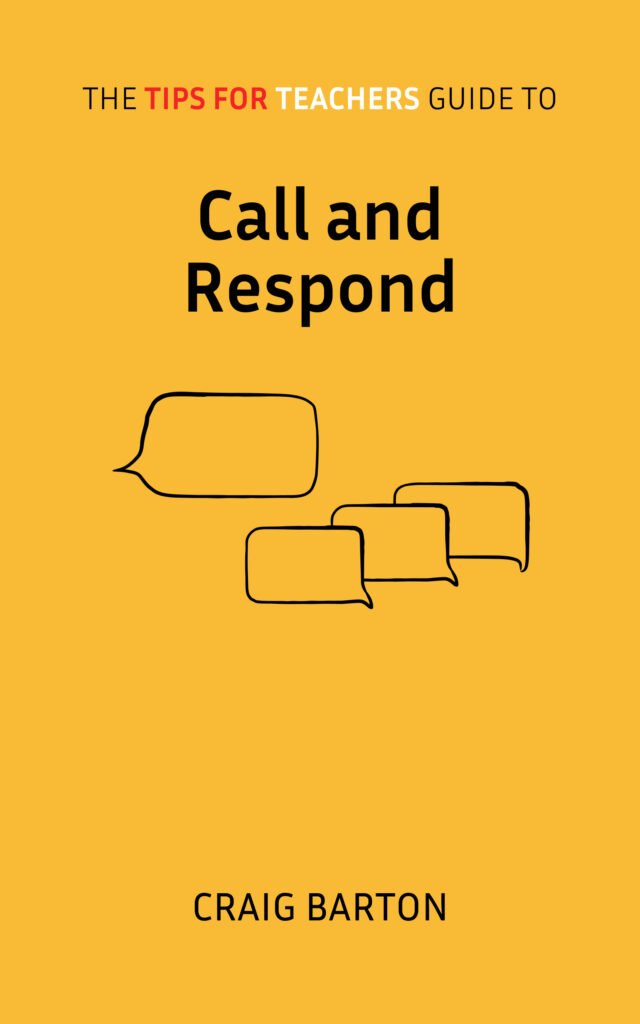
Means of participation
How every student takes part when you ask the class a question.
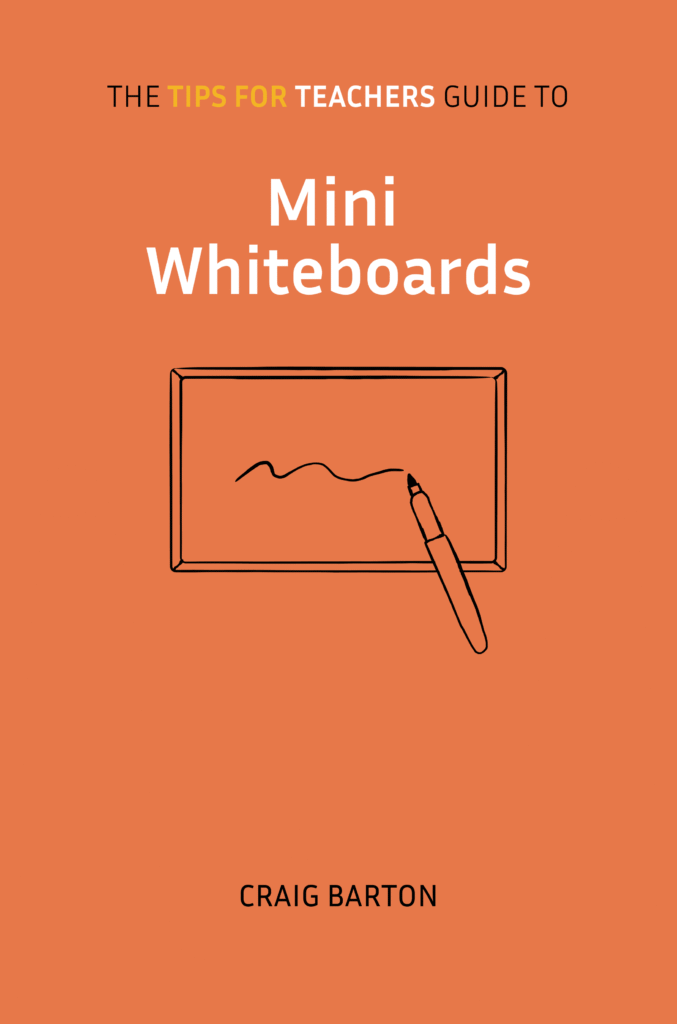
The Tips for Teachers guide to Mini-Whiteboards
Mini-whiteboards let us see every student's answer immediately. But they can be a faff and a distraction if we don't nail our routines. Strategies to reduce the costs and ramp up the benefits.
Free on this site: Show All Board

Checking for understanding
Finding out what students are thinking, and what to do next.

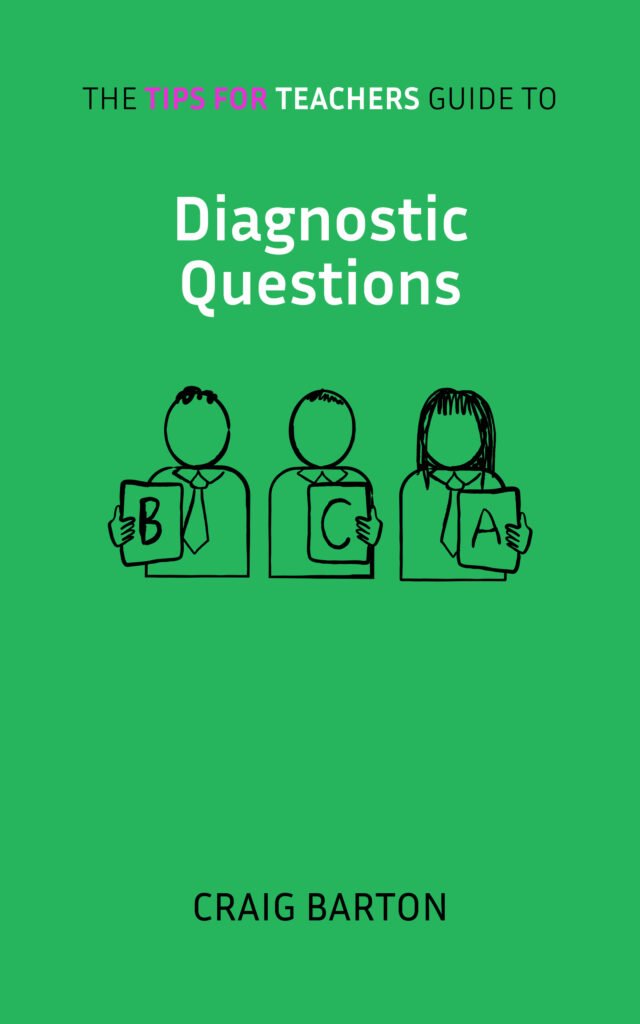
The Tips for Teachers guide to Diagnostic Questions
Not all diagnostic questions are created equal, and the thinking doesn't need to stop once students get the right answer. What makes a good diagnostic question, and the best ways to gather the data.
Free on this site: Diagnostic Questions
The phases of a lesson
From the Do Now to independent practice and problem-solving, one phase at a time.
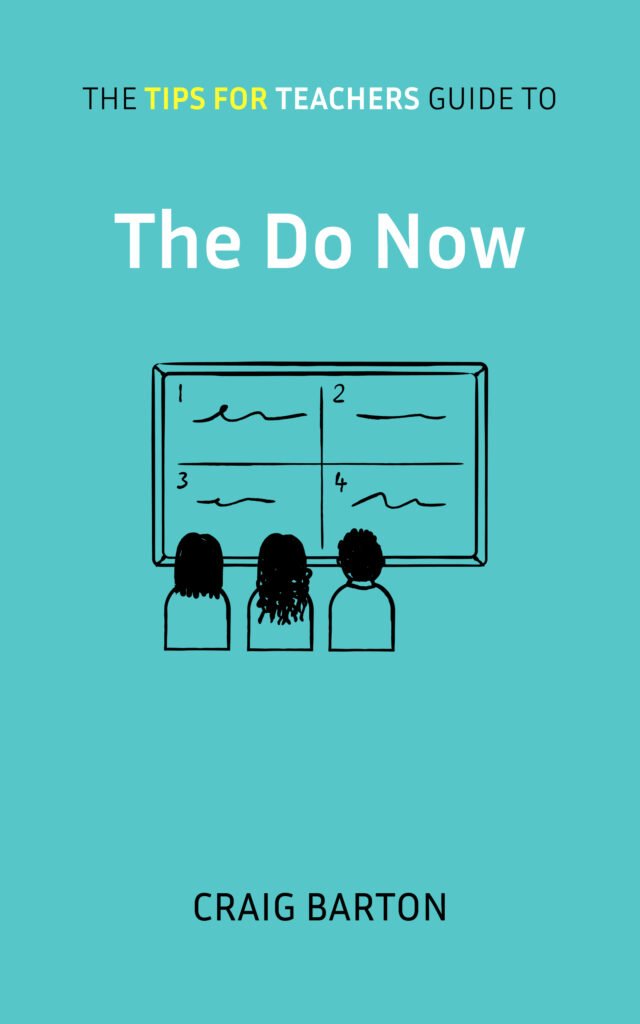
The Tips for Teachers guide to The Do Now
A strong Do Now settles and focuses students, reinforces knowledge and sets up a productive lesson. A weak one leaves you spending the rest of the lesson getting learning back on track.
Free on this site: Ultimate Retrieval Tool
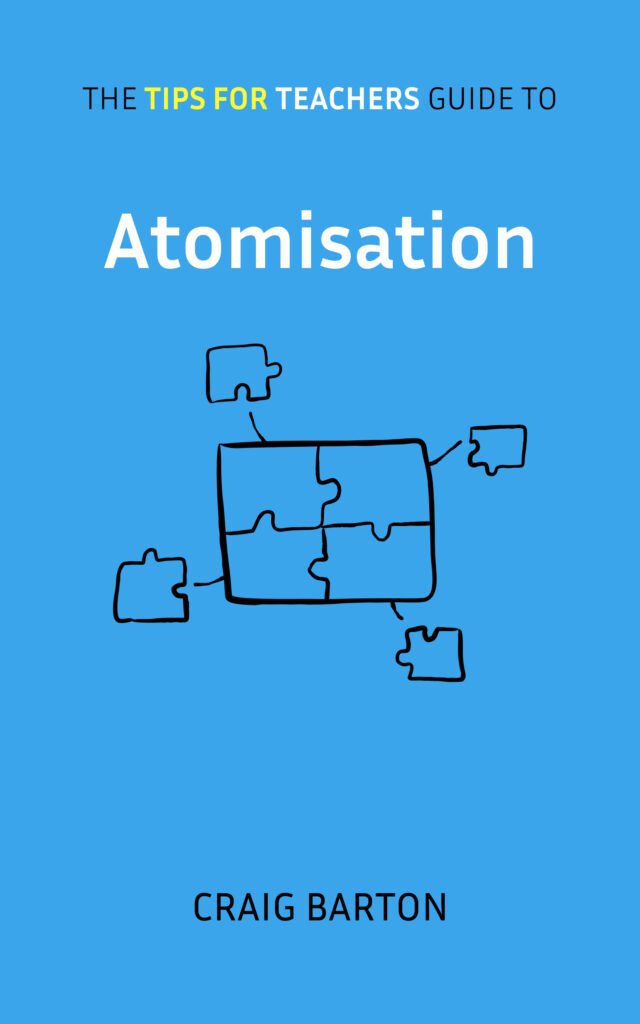
The Tips for Teachers guide to Atomisation
Breaking a concept into its smallest meaningful parts, called Atoms, and a special way to teach them once you know what they are. It has the power to change how teachers plan.
Note: Transformations and Routines are particularly suited to maths, so only about half may be relevant to other subjects.
Free on this site: Atoms
The Tips for Teachers guide to The I Do
The I Do is where the teacher explains and demonstrates. It often fails because of distractions, unclear steps, asking students to guess what they can't know, or long lectures.
Note: All the examples come from maths lessons, though the principles apply to any subject.

The Tips for Teachers guide to Independent Practice
Students often take a cognitive break the moment independent practice starts. Strategies for choosing the task, giving instructions, the crucial first 30 seconds and circulating well.
Free on this site: Super 8s, Shedloads of Practice
The Tips for Teachers guide to Purposeful Practice and Problem-Solving
Six activity structures that challenge students to think like mathematicians, with tips for running them and links to the best examples.
Note: Written for primary and secondary maths teachers only.
Free on this site: Open Middle Problems, Venn Diagrams
Quizzes and coaching
Making learning stick over time, and helping colleagues get better.
The Tips for Teachers guide to Low-Stakes Quizzes
A weekly low-stakes quiz is one of the most effective ways to give students regular retrieval practice. What to put in it, the format, marking, and how students use their corrections.
Free on this site: Ultimate Retrieval Tool
The Tips for Teachers guide to Observing Lessons and Coaching
If you have the privilege of watching a colleague teach, you're duty-bound to do it well. My process for observing lessons, what data I collect and how, and the positive, productive coaching session that follows.
My other books
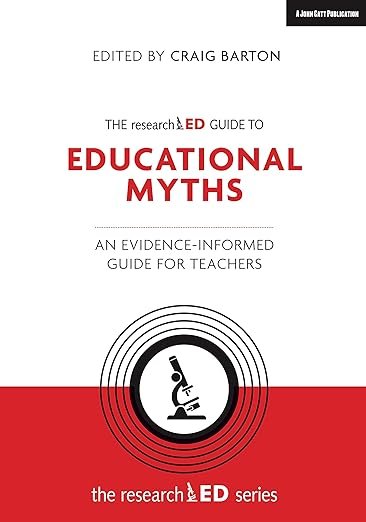
Longer reads, published by John Catt.

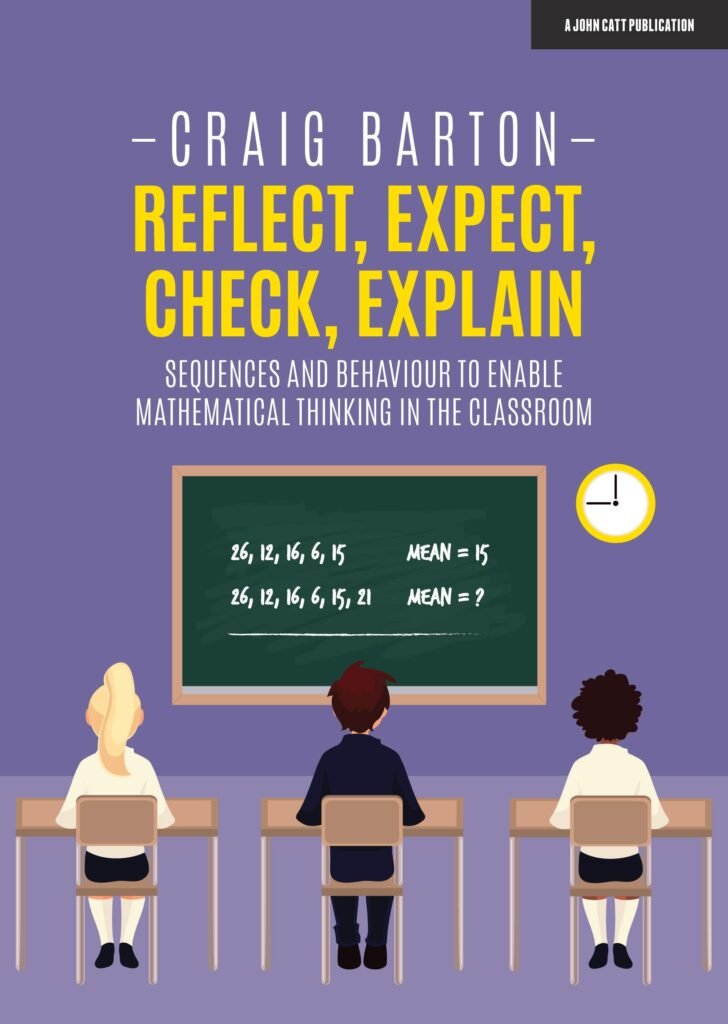
Reflect, Expect, Check, Explain
An approach to help all students think mathematically, drawing on research into the Self-Explanation Effect, the Hypercorrection Effect and Variation Theory. The approach that got me labelled ‘the most dangerous and clueless man in maths education’.
Free on this site: Minimally Different Mega Practice